RU
RU  UA
UA 


 admin
admin  19.01.2026
  5 views
  5 minutes
How to transport children in car seats in 2026

Contents
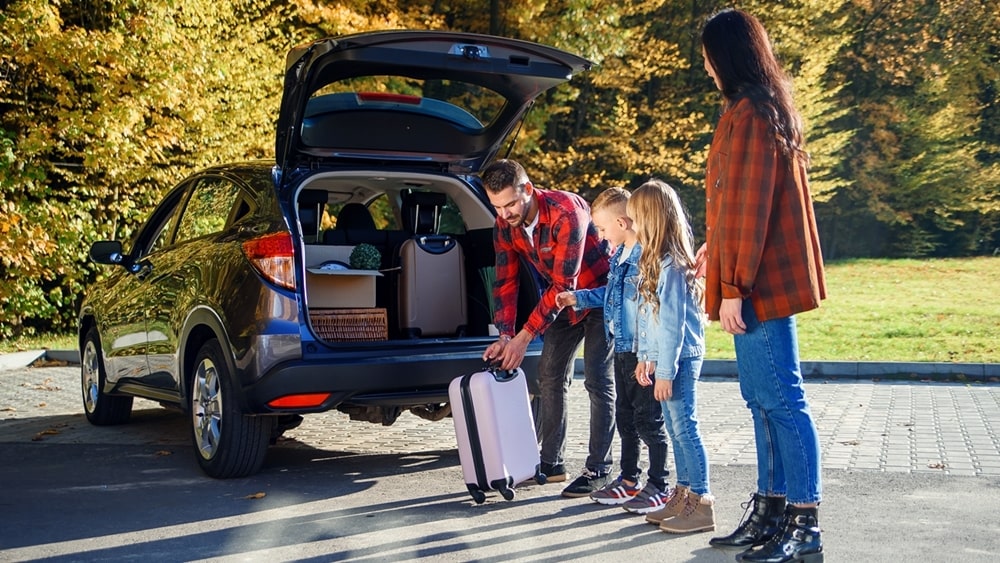
Basic requirements for transporting children
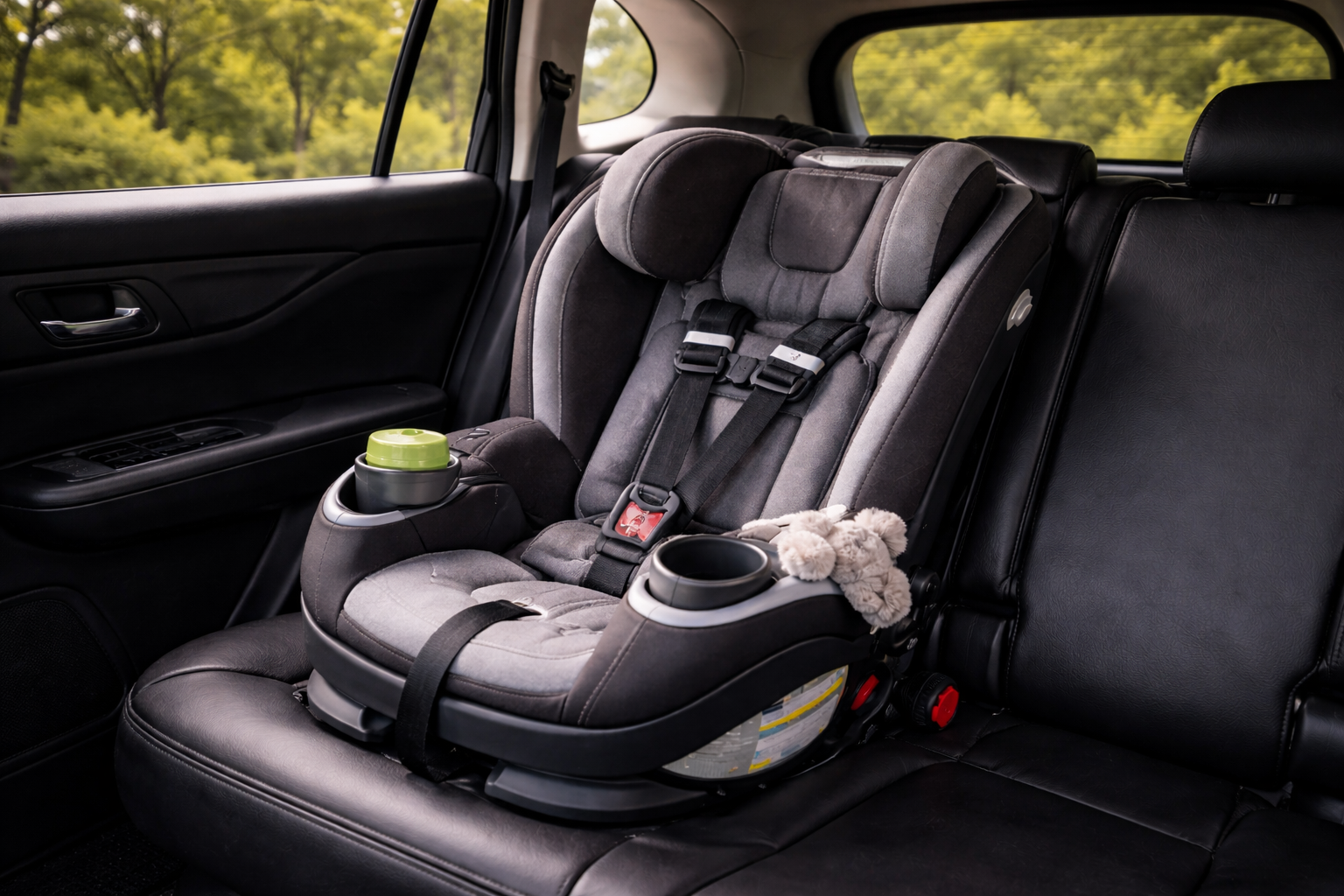
- children under 145 cm tall may only be transported using a child restraint system - a car seat, infant carrier, or booster seat;
- the child must be secured: with the car seat's internal seat belts or the car's standard seat belt together with a booster seat;
- carrying a child in your arms is prohibited regardless of age;
- the car seat must be securely fastened with a seat belt or ISOFIX system without any slack;
- children may only be transported in the front seat with a car seat or booster seat, and when the seat is installed facing backwards, the airbag must be deactivated;
- children of any age may be transported in the back seat provided that a restraint system is used correctly.
Types of child car seats
- Infant carrier (group 0/0+): designed for newborns, infants, and toddlers weighing up to 9–13 kg. The child is in a semi-reclining position, with minimal strain on the neck. This type of car seat is always installed facing backwards.
- Child car seat with internal straps (group 1): used for children from approximately 1 year of age. It has its own seat belts, a rigid frame, and a backrest. At this age, it is important to adjust the height of the belts and the angle correctly so that the child is securely fastened while the car is moving.
- Car seat for older children (groups 2–3): suitable for children who have outgrown the internal belts. These seats are adjustable to height and allow the use of the car's standard seat belt.
- Booster seat: used for older children when a full car seat is no longer required. The booster seat raises the child so that the seat belt passes over the shoulder rather than the neck and secures the body correctly.
Rules for installing a car seat in a car
Myths about transporting children without a car seat
- “I'm holding my child in my arms” - during sudden braking or a collision, the child's weight increases dramatically, and it is physically impossible even for an adult to hold them.
- “We're driving slowly and not far” - most accidents happen on short trips in the city, where drivers relax and don't expect danger.
- “An adult seat belt will do” - standard seat belts are designed for adults. For a child, it passes across the neck or stomach and does not protect the body during sudden braking.
- “The child is crying, better without a car seat” - this is a matter of habit. If you know how to get your child used to a car seat, the discomfort disappears, and safety remains.
Penalties for violations in Ukraine


Evaluation of the article